Exploring the realm of Hospital Negligence Claims: How to Sue for Life-Threatening Sepsis or Infections sets the stage for a deep dive into the complexities of medical malpractice and legal recourse. Brace yourself for a journey filled with insights and essential information.
Delve into the nuances of hospital negligence and its implications in cases involving life-threatening sepsis or infections.
Understanding Hospital Negligence Claims
Hospital negligence in the context of medical malpractice refers to situations where a healthcare provider fails to provide the standard of care expected, resulting in harm or injury to the patient.
When filing a claim for hospital negligence, it is essential to consider the legal aspects involved. This typically includes gathering evidence of the negligence, such as medical records and expert opinions, and following the specific procedures for filing a malpractice claim.
Common Scenarios Leading to Life-Threatening Sepsis or Infections
- Failure to properly sterilize medical equipment or maintain a clean environment can lead to infections that may develop into life-threatening conditions like sepsis.
- Delayed diagnosis or treatment of infections can also result in the spread of the infection, causing severe complications.
- Improper administration of antibiotics or other medications can contribute to the development of antibiotic-resistant infections, posing a significant risk to the patient's health.
- Inadequate post-operative care, such as ignoring signs of infection or failing to monitor a patient's condition, can lead to complications like sepsis.
Recognizing Symptoms of Life-Threatening Sepsis or Infections
Sepsis and infections resulting from hospital negligence can have severe consequences if not detected and treated promptly. Early recognition of symptoms is crucial in preventing life-threatening complications and improving patient outcomes.
Common Signs and Symptoms of Sepsis and Infections
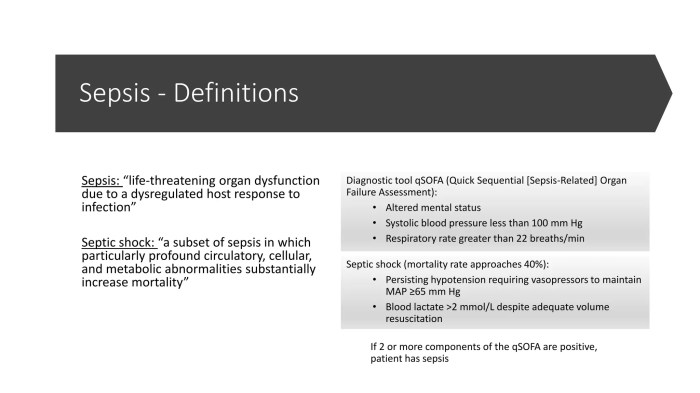
- Fever
- Rapid heart rate
- Difficulty breathing
- Low blood pressure
- Confusion or altered mental status
- Chills and shivering
- Severe pain or discomfort
It is important to note that symptoms may vary depending on the type of infection and the patient's overall health condition.
Importance of Early Detection
Early detection of sepsis or infections caused by hospital negligence is critical as delays in diagnosis or treatment can lead to severe complications.
Examples of Delayed Diagnosis Cases
In a case where a patient developed a severe infection post-surgery, the medical staff failed to recognize the early signs, leading to sepsis. The delayed diagnosis resulted in the patient's condition deteriorating rapidly, requiring intensive care treatment.
Establishing Liability in Hospital Negligence Claims
When pursuing a legal claim for hospital negligence related to life-threatening sepsis or infections, establishing liability is crucial to proving the medical facility's responsibility for the harm caused to the patient.To prove hospital negligence in such cases, key factors need to be considered to establish liability effectively.
These factors include the following:
Medical Records and Documentation
- Thorough review of the patient's medical records and documentation to identify any lapses in care or deviations from standard medical practices.
- Documentation of treatment protocols followed and any deviations from these protocols that may have contributed to the development of sepsis or infections.
Expert Medical Testimony
- Obtaining expert medical testimony from qualified healthcare professionals in the same field to evaluate the standard of care provided and determine if negligence occurred.
- Medical experts can help establish whether the hospital staff failed to recognize and appropriately treat the signs and symptoms of sepsis or infections in a timely manner.
Evidence of Causation
- Gathering evidence to establish a direct link between the hospital's negligence and the patient's development of life-threatening sepsis or infections.
- Demonstrating how the substandard care or medical errors directly led to the worsening of the patient's condition and the harm suffered.
Steps to Take When Pursuing a Lawsuit for Hospital Negligence
When considering legal action against a hospital for negligence, it is crucial to follow specific steps to build a strong case. From gathering evidence to finding the right legal representation, each step plays a vital role in seeking justice and compensation for the harm caused.
Below are the necessary steps to take when pursuing a lawsuit for hospital negligence.
Gathering Evidence to Support a Claim of Hospital Negligence
Before filing a lawsuit, it is essential to gather evidence to support your claim of hospital negligence. This evidence can include medical records, witness statements, photographs of injuries, and any other documentation related to the incident. Keeping detailed records and documentation will strengthen your case and provide necessary proof of the hospital's negligence.
Finding Legal Representation Experienced in Handling Medical Malpractice Cases
When pursuing a lawsuit for hospital negligence, it is crucial to find legal representation with experience in handling medical malpractice cases. An experienced attorney will have the knowledge and expertise to navigate the complexities of medical malpractice laws and advocate for your rights.
They can help you understand your legal options, gather additional evidence, and negotiate with the hospital's legal team on your behalf.
Final Conclusion
As we come to a close, the intricacies of hospital negligence claims and the pursuit of justice for life-threatening conditions are illuminated. Take with you the knowledge and empowerment to navigate the legal landscape with confidence.
Helpful Answers
How do I determine if I have a valid hospital negligence claim?
To establish a valid claim, you need to show that the hospital breached its duty of care, resulting in harm or injury. Consulting with a legal expert can help assess the viability of your case.
What are the common signs of sepsis caused by hospital negligence?
Common signs include fever, elevated heart rate, rapid breathing, and confusion. If you suspect sepsis, seek immediate medical attention.
Can I file a hospital negligence claim without legal representation?
While it's possible to file a claim on your own, having legal representation experienced in medical malpractice cases can significantly increase your chances of a successful outcome.
What role do medical experts play in hospital negligence claims?
Medical experts provide crucial testimony to determine whether the standard of care was breached in a hospital negligence case. Their expertise is essential in establishing liability.






![[2023 Update] Tepezza Lawsuit | Tepezza Hearing Loss Lawsuit](https://law.tokominicon.com/wp-content/uploads/2026/05/Tepezza-Hearing-Loss-Lawsuit-2022-1024x512-1-120x86.png)